
Why Record Field Vibration Data?
December 29, 2025
Measuring Field Environments
Test Monitoring in the Lab
Back to: Recording & Implementing Vibration Test Data
When a product fails in the field, engineers often ask: “Did we test it under the right conditions?” To answer this question, they can record the product’s end-use vibration environment and apply it to their testing process.
Field vibration data are measurements recorded directly from a product or component operating in its intended environment. Vibration Research has an extensive list of resources on how to collect “good” field data—e.g., defect-free data that are accurate and representative of all environments the product may encounter. This lesson will discuss the purpose of recording data in the field and ways to apply field-recorded data to a testing program.
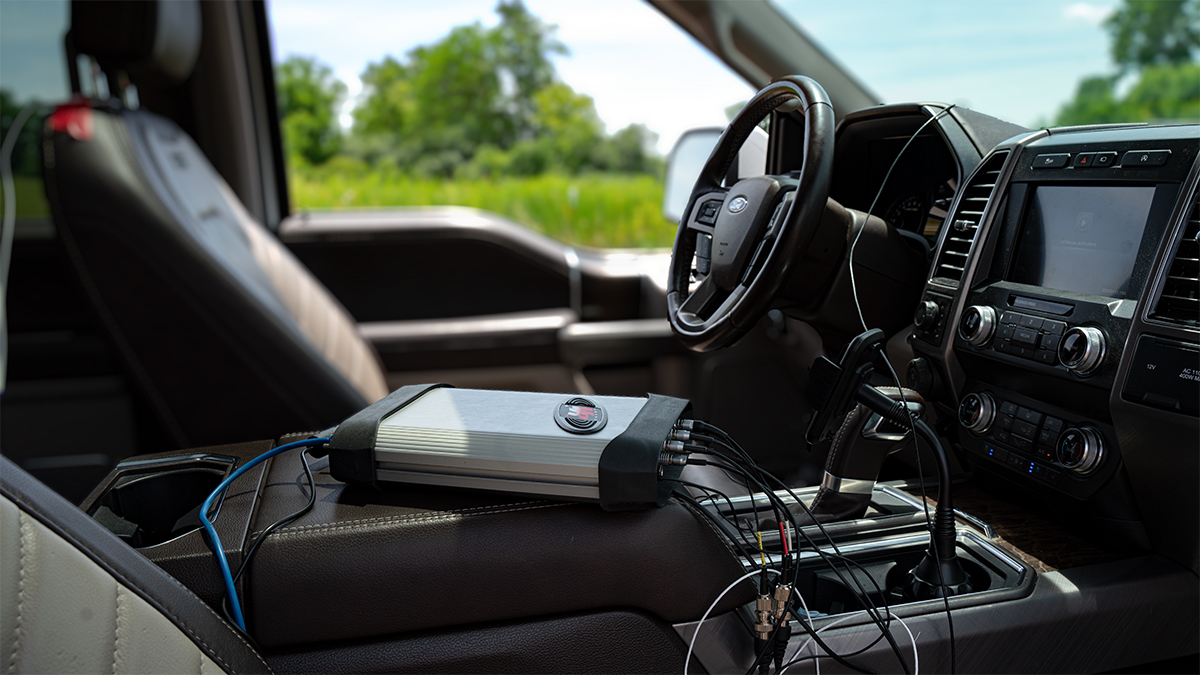
Considerations When Recording Field Data
- Choose a sample rate high enough to capture the highest frequency of interest without aliasing
- Orient the sensors properly to avoid axis cross talk or data misinterpretation
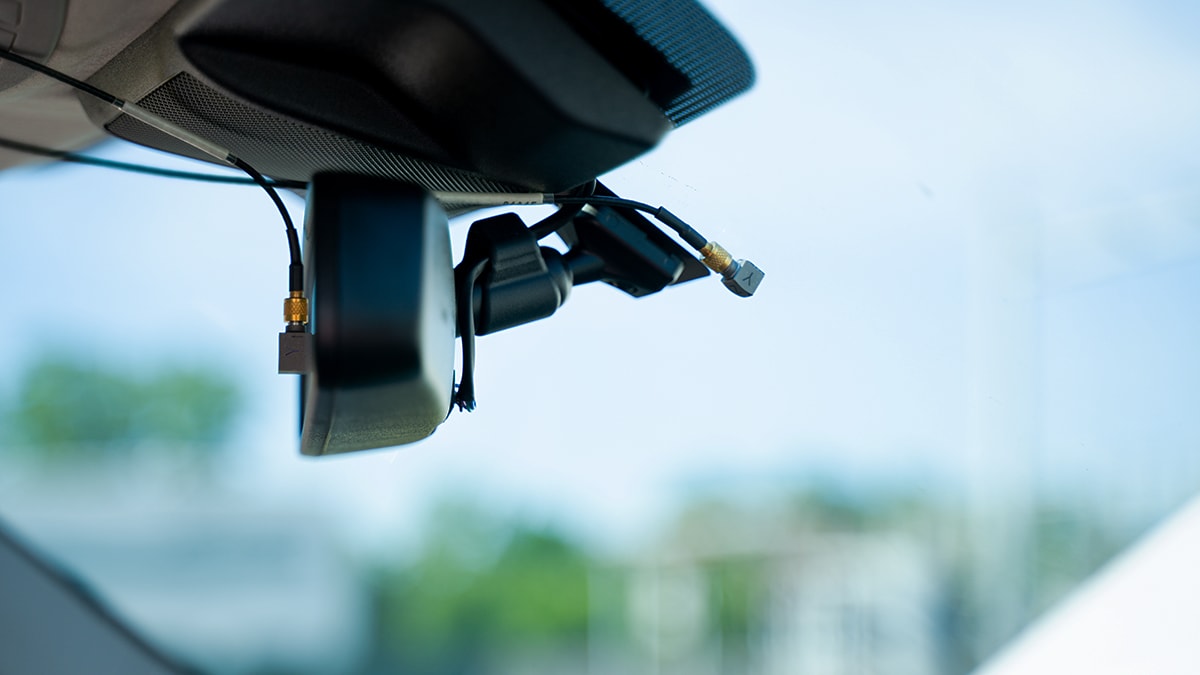
- Add synchronized video to identify visual events corresponding to vibration peaks and verify sensor placement and timing
- Pay attention to mounting, grounding, and power conditions for dependable results
Why Record Field Vibration Data?
Engineers in industries such as transportation, automotive, aerospace, and packaging use data recordings throughout the product development cycle for proof-of-concept qualification, design evaluation, and process validation. Field and physical test data are also essential for confirming digital twin boundary conditions.
Field data can:
- Inform early design activities
- Support vibration qualification and fatigue evaluation
- Generate statistical distributions
- Guide fixture design
- Improve test development
- Validate third-party results
- Support ongoing operations and knowledge transfer
Inform Early Design Activities
In the proof-of-concept phase, engineers can use field data to:
- Identify obvious design flaws
- Confirm environmental operating points and design destruct limits are within material and interface capabilities
This early testing is typically limited to a small number of parts. It is repeated as the engineers identify failures and evaluate proposed solutions.
Field measurements provide an initial reference for minimum and maximum acceleration levels. They also highlight potential transient events to consider during early testing. These data can act as a reference for typical vibration levels in normal operating conditions, which the engineers can later use to detect anomalies or degradation.
Comparing new field data to a baseline helps identify:
- Shifts caused by component wear
- Design modifications
- Changes in the operating environment
For example, a manufacturer might periodically re-measure a mounting location on a vehicle to ensure that updates to the suspension or body design haven’t altered its vibration characteristics.
Support Vibration Qualification & Fatigue Evaluation
In the advanced prototype phase, engineers execute design controls identified in the design analysis. They verify and provide supporting data for preventive actions identified through this analysis.
Digital twin simulation results should be aligned with physical test data. When discrepancies occur, engineers refine boundary conditions, fatigue parameters, or model inputs to improve accuracy. Aligning digital twins with field data enhances root-cause analysis and confidence in design direction.
At this stage, engineers can perform more advanced analyses of field data.
Analysis methods include:
- Translating time histories into the frequency domain
- Identifying representative and extreme environments
- Establishing appropriate test limits and durations
Generate Statistical Distributions
Field data also help engineers generate statistical distributions for reliability and durability. Probability distributions for acceleration, velocity, strain, and time at resonance quantify how often and how severely the test item experiences vibration loads.
These distributions can inform fatigue life estimates and accelerated testing methods for sampling plans and reliability modeling. For example, engineers can design accelerated tests that represent the 90th-percentile field environment rather than testing at arbitrary limits.
Guide Fixture Design
Field measurements can guide fixture and mount design, thereby improving the accuracy of lab setups and minimizing unintended resonances.
Field data reveal how test items are constrained and supported in use, helping engineers design lab fixtures that mimic those boundary conditions. Improper mounting during tests can alter vibration response. Field data can clarify the correct boundary stiffness. This information also supports accurate digital twin models.
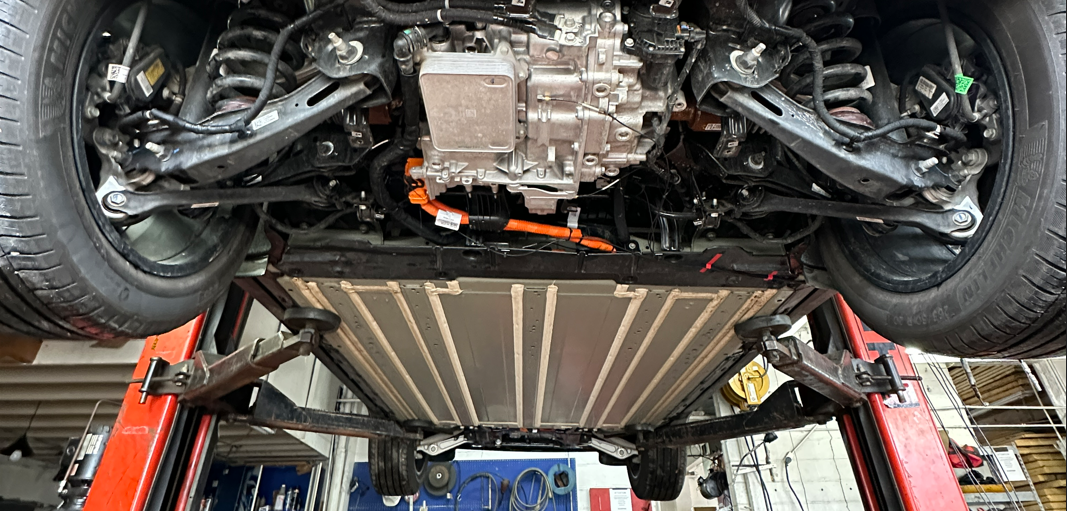
For example, engineers can use field data when testing an EV drive unit to replicate the subframe mounts’ influence on the vibration spectrum.
Improve Test Development
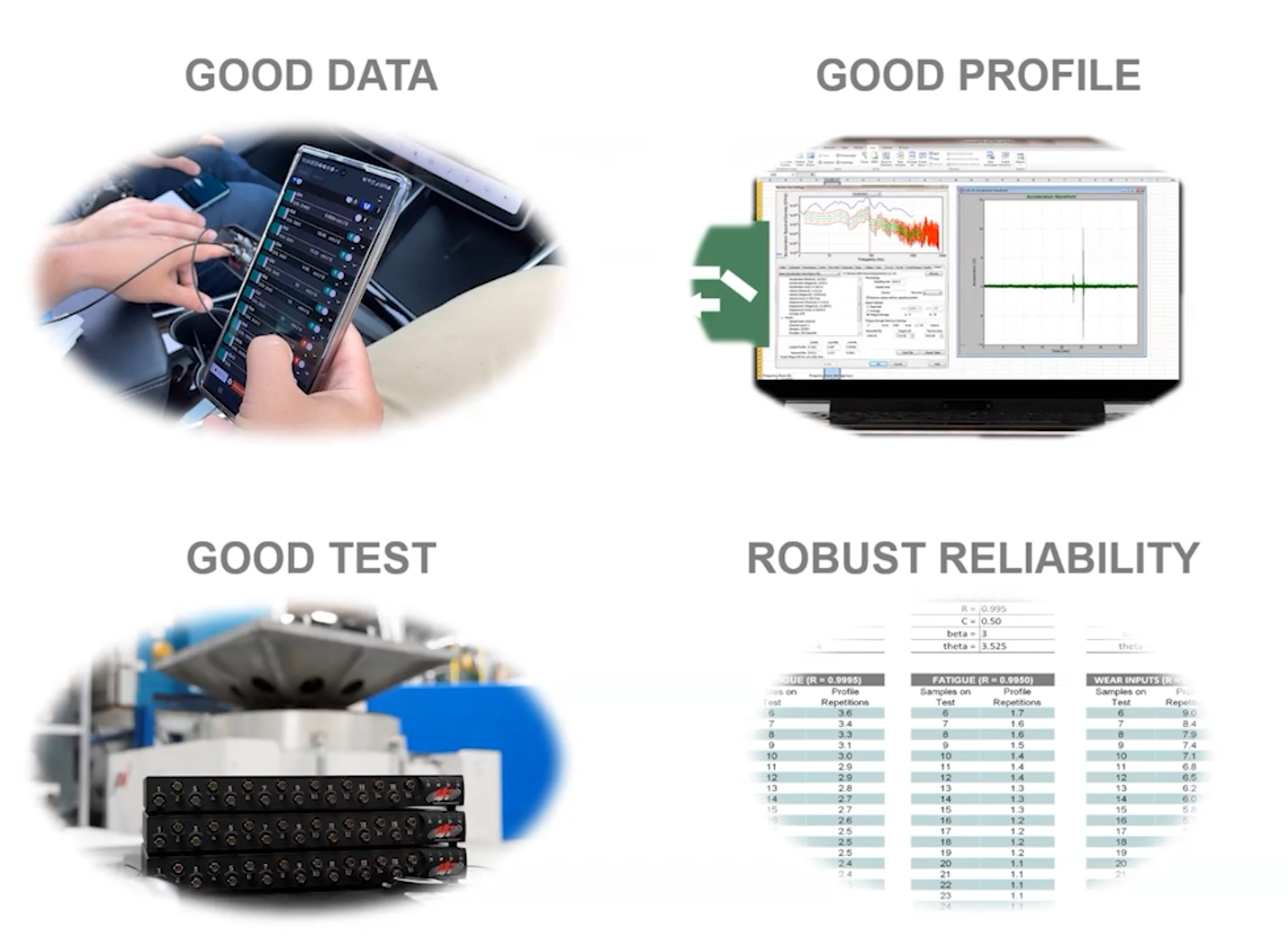
The article “Why Use Field-recorded Data to Develop a Test Profile?” states, “Data from the field offers a realistic look into a product’s operational environment. A test profile that is as close to the end-use environment as possible leads to an efficient testing process and a quality product.”
Engineers can use field data directly to develop test profiles for prototypes or for final evaluation. Vibration Research has produced many resources on the benefits and possibilities of this route, including the VRU course “Test Development with Recorded Data.”
Validate Third-party Results
Even when vibration testing is outsourced, engineers can use field data as an objective benchmark to ensure that third-party methods and results reflect real-world conditions.
Using field data ensures that outsourced or supplier-performed vibration tests are credible and traceable. It gives confidence that the equipment is operating correctly, the test environment is under control, and the results are consistent with established pass/fail criteria.
Support Ongoing Operations & Knowledge Transfer
Field data support predictive maintenance and condition monitoring by revealing early signs of wear, imbalance, or resonance changes before failure. Trend analysis can guide maintenance intervals and verify the effectiveness of vibration isolators or dampers. For machinery in continuous service, recorded data can inform predictive maintenance systems to prevent unplanned downtime.
Field recordings also support industry benchmarking, standard development, and customer validation. Engineers can refine test specifications, confirm compliance with regulatory requirements, and provide objective evidence that qualification tests reproduce expected environmental inputs.
Finally, archived field data serve as a training resource, helping engineers and technicians visualize real vibration environments, relate them to lab tests, and prevent repeated design errors. This continuous learning builds organizational knowledge and supports consistent, reliable engineering practices.
ObserVR1000 Data Acquisition System
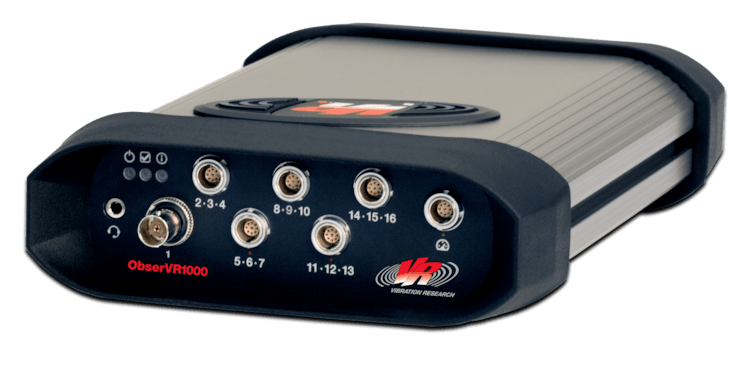 Throughout this course, we will reference the ObserVR1000: Vibration Research’s portable dynamic signal analyzer. The ObserVR1000’s design is optimized for vibration analysis, and its small and portable size makes setup and recording easy so that engineers can focus on analysis and testing. The ObserVR1000 and the ObserVIEW software work in parallel to perform efficient and accurate testing and analysis.
To learn more about the ObserVR1000, please visit the product page.
Conclusion
Field vibration data helps engineers bridge the gap between real-world environments and lab testing. It informs early design, supports digital twin validation, guides test development, and ensures that third-party results reflect real conditions.